

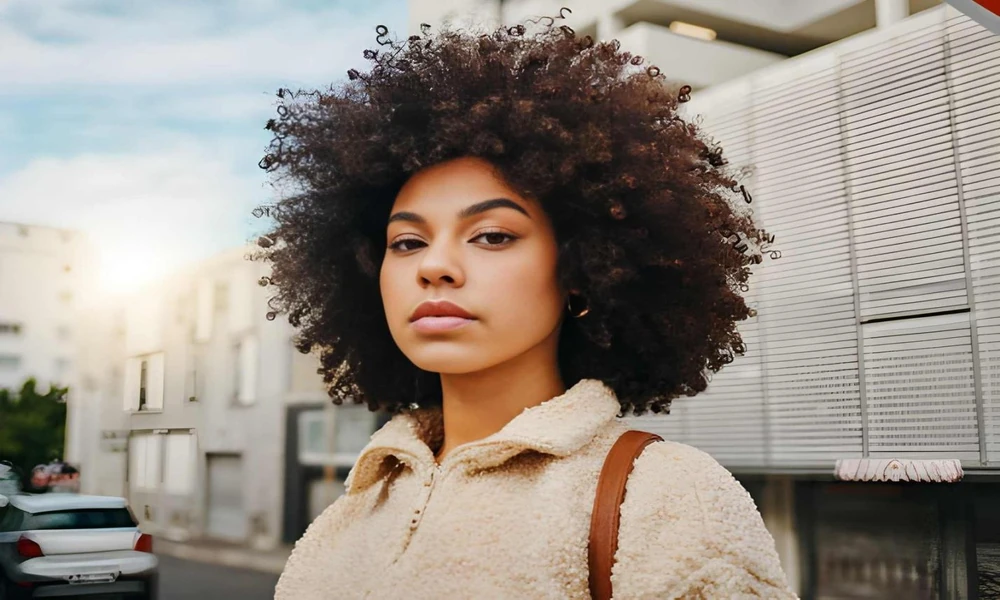
Black hair retail has always been shaped by one reality: customers trust products that understand how their hair naturally looks, feels, and behaves. For years, many large beauty companies treated textured hair as one category, overlooking differences in curl pattern, density, shrinkage, volume, and styling goals. This left shoppers choosing products that blended poorly or required excessive manipulation. Specialist retailers recognized the gap and turned it into a valuable product-market fit opportunity. By developing texture-specific options, they addressed real frustrations while building loyalty, clearer brand positioning, and dependable demand.
Texture-Specific Products Addressed an Overlooked Need
Natural-hair consumers want length, fullness, or versatility without changing their own curls. This needs increased demand for kinky curly hair extensions that complement defined curls, realistic volume, and natural movement. Instead of forcing customers to straighten, reshape, or excessively manipulate their leave-out, texture-focused products made believable blending a central part of the product’s value.
This was more than another human-hair option. It directly answered a problem broad beauty assortments had failed to solve. When extensions reflect the customer’s natural texture, the value is easy to understand. The shopper can imagine the result and purchase more confidently.
That connection between a problem and practical solution created commercial potential. Specialist retailers could educate shoppers around benefits such as:
- Adding fullness while maintaining a natural-looking curl pattern
- Supporting protective styling without hiding texture identity
- Reducing the heat or reshaping required for blending
- Providing versatile hair for sew-ins, wigs, ponytails, and customized styles
Natural Texture Demand Supported Focused Merchandising
Natural-hair shoppers do not all want the same result. Some prefer maximum fullness, while others want a controlled curl that can be shaped, layered, separated, or blended with leave-out. Products such as Kinky curly hair bundles allowed specialist retailers to merchandise around specific styling outcomes instead of placing every curly option inside one broad category.
Focused merchandising makes shopping easier. Products can be organized by curl family, length, volume, installation type, density, or purpose. Shoppers can compare relevant choices without sorting through unsuitable textures. This also supports stronger product pages, buying guides, consultation scripts, and targeted campaigns.
Specialization can also improve inventory planning. Retailers that study buying patterns can identify which lengths, quantities, closures, and textures customers commonly purchase together. These insights may lead to curated sets, matching closures, recommended bundle counts, and complementary care products. The customer receives a more complete solution, while the business gains opportunities to increase order value and encourage repeat sales.
Specialist Retailers Built Trust Through Product Expertise
Large beauty companies may offer hundreds of products, but a wide assortment does not guarantee useful expertise. Textured-hair shoppers often need guidance about curl compatibility, quantities, moisture, installation, detangling, and how the pattern may change after washing. A specialist retailer can turn this need for support into a competitive advantage.
Strong product knowledge also improves the quality of each sale. Retailers that understand curly textures can help shoppers evaluate more than a polished photograph. They can explain whether the hair is tightly defined, naturally voluminous, easy to separate, suitable for layering, or better for a particular installation. These details create realistic expectations and reduce dissatisfaction caused by choosing the wrong curl pattern.
Education becomes especially important when customers are making a beauty investment. Care guides, customer images, comparison articles, videos, and transparent descriptions reduce uncertainty. The retailer becomes more than a hair seller; it becomes a trusted resource that connects the product to the customer’s styling goals and explains how to maintain the finished look.
Specialization Improved Brand Positioning and Loyalty
A retailer serving a defined need can communicate its value more effectively. Instead of competing through discounts or general quality claims, it can explain who the product serves, which concerns it solves, and what result customers can expect. This attracts shoppers already seeking a specific solution.
Specialization also gives customers a strong reason to remain loyal. When a shopper finds hair that blends well, performs consistently, and supports her preferred styles, she is more likely to return. She may also recommend the retailer to friends, relatives, hairstylists, or online communities with similar needs. This kind of word-of-mouth trust is difficult for general retailers to reproduce without the same level of focus.
Customer feedback can further strengthen product-market fit. Reviews may reveal requests for additional lengths, coordinated closures, different densities, easier care routines, or more styling education. When retailers respond, product development becomes an ongoing conversation with the market rather than a guessing process.
Smart Style Takeaways
The product-market fit opportunity in kinky curly extensions came from listening to shoppers whose needs had often been simplified or overlooked. Texture-specific products became valuable because they filled a clear gap: customers wanted extensions that respected the curl definition, volume, movement, and versatility of natural Black hair instead of requiring them to adapt their hair to a generic product.
For specialist retailers, the lesson extends beyond one curl pattern. Sustainable growth often comes from understanding a customer problem more deeply than a broad competitor can. Businesses that combine accurate texture development, focused merchandising, realistic education, responsive service, and customer-led product improvement can create value.
In Black hair retail, specificity is not limiting. It can become the foundation of a strong business model. When customers feel recognized, informed, and properly served, they are more likely to purchase confidently, share positive experiences, and return for future styling needs.
