

If you want to cut costs on products without major risk, closeout or liquidation inventory could help. You may know the general idea, but the precise details-including how these deals work or Michigan-specific rules often cause confusion.
Understanding Wholesale Closeout and Liquidation Merchandise
Wholesale closeout merchandise is sold when a retailer or manufacturer needs to clear space or get rid of discontinued stock, often at large discounts. Liquidation inventory also includes these scenarios and products sold as businesses reorganize, downsize, or close.
Major categories of discounted products include:
- Overstock: Items never sold at retail due to surplus.
- Shelf pulls: Products removed to make room for newer versions.
- Customer returns: Returned products, sometimes in near-new condition.
- Refurbished or irregular items: Products with defects that have been repaired or marked down for flaws.
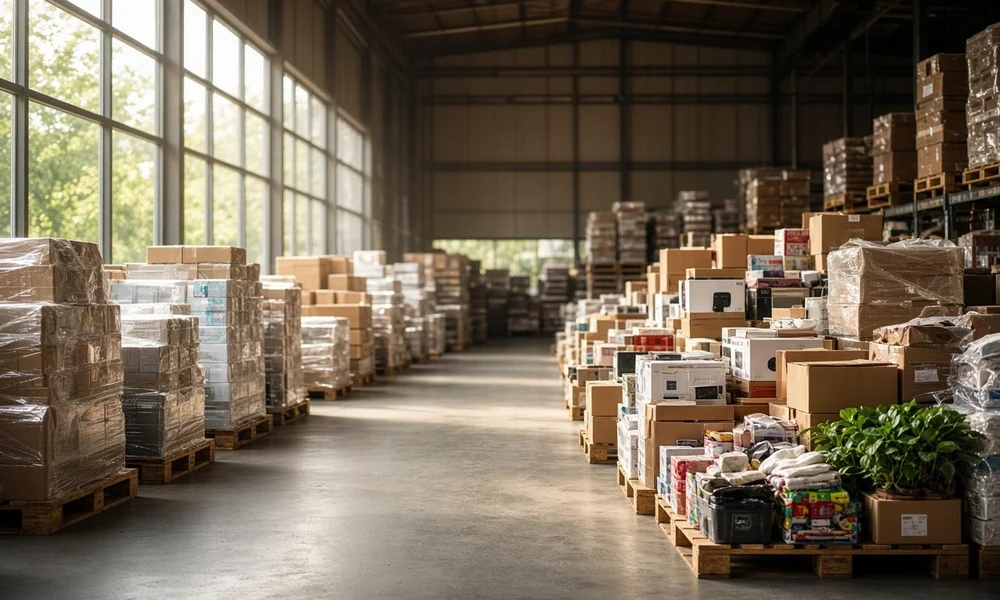
Suppliers group these goods into cases, boxes, pallets, or even full truckloads.
Michigan buyers have the advantage of access to nearby shipping hubs. Freight from farther away raises costs and delivery times. If you pick up in Detroit or Grand Rapids, you can skip high shipping fees.
For most wholesale liquidation purchases in Michigan, no business license is required. But a sales tax license and resale certificate let you buy without paying sales tax up front, provided you collect and remit that tax during resale.
How Buying Closeout Merchandise Saves Businesses Money
Discounted merchandise costs less than standard wholesale because you help vendors move surplus or outdated stock. While traditional wholesalers offer new inventory with predictable margins, liquidation suppliers give deeper discounts in exchange for less control over selection and more uncertainty.
Prices on liquidation stock change with item type, brand, and condition. High-demand items such as brand name electronics or tools might go for a higher price per piece, but generally, liquidation lots carry lower price tags. Freight and handling depend on order size and shipping distance. Always ask for a final, all-inclusive quote.
Pallets of clothing, for instance, might have an average cost per piece lower than half of standard wholesale price, though this depends on shipping, item condition, and category. The savings grow with larger purchases, but such orders mean higher upfront costs and more complex handling.
Calculate your true cost by including the product price, shipping or transport, a buffer for damaged or unusable items, and sales tax if owed. Only compare your total per-item cost to a realistic resale number.
Choosing the Right Inventory and Supplier for Your Michigan Business
Michigan’s varied communities and outdoor-centric customers mean season changes affect sales. Winter gear sells fall through spring, while home improvement and recreation items have more demand in summer. Understand your buyers: auto parts might sell fast in one county but slow in another.
Start with small case lots when testing new goods. Pallets are best for stores or online sellers able to handle volume, while truckloads only make sense for large operations with space and cash flow. Shipping per unit is usually cheaper with bigger orders, but harder to move inventory creates additional risk.
Investigate suppliers carefully. Finding a Michigan liquidation center allows for personal pickup and less shipping cost. Find business reviews, confirm legal status, and ask for product lists or manifests.
Do not trust a supplier based solely on a polished website. Instead, check business credentials or ask other Michigan business owners for references. Otherwise, you risk getting stuck with loads of hard-to-sell or unrelated items. Insist on seeing an item manifest and investigate the company before any payment.
Leave questionable sources alone, especially from online social groups or profiles with little history. Common scams include fake paperwork or never shipped goods. Reliable suppliers should offer paperwork and clear dispute resolution. Additional safety tips are available here.
Step-by-Step: The Wholesale Closeout Buying Process
- Review the Manifest: Look over itemized lists showing product type and count. Look for detailed paperwork and return policies.
- Check Inventory Fit: Evaluate whether product type, brands, and seasonality match your market. Buying unseasonal goods can tie up your funds unnecessarily.
- Payment, Pickup, or Delivery: Most take credit cards or wire transfers. Michigan warehouses might accept payment at pickup. Freight charges can be several hundred dollars, so check whether pickup might be cheaper.
- Get Ready for Delivery: Mark your calendar. Trucks can’t block Michigan streets-curbside rule applies. As soon as it arrives, check your load and photograph it before the driver leaves.
- Sort and Ready Inventory: Clean, test, or refurbish where needed. Organize quick-sell items apart from those that require repairs or heavy markdowns.
Find a more detailed buying guide here.
Risks, Pitfalls, and How to Avoid Costly Mistakes
The main risks: fake manifests, surprise shipping fees, and sales tax errors.
Trustworthy suppliers provide real photos, address details, and product sourcing. Michigan-based sellers sometimes permit in-person inspections before buying. For remote purchases, ask about policies for returns or disputes.
If you misjudge shipping costs, profit can disappear. Michigan’s inland location adds to freight costs and delivery times, especially from distant sources in winter. Only project profits after adding every charge to your total order cost.
No business license is needed for most liquidation purchases in Michigan, but to avoid paying extra sales tax, a state sales tax license and resale certificate are required. For categories with compliance risk, such as electronics, make sure federal rules are satisfied you cannot sell recalled goods.
Forgetting to collect and pay Michigan sales tax when reselling can trigger audits and fines. Always check and keep up-to-date with state rules.
If a manifest advertises “like new” goods but the seller cannot confirm details, treat that as a warning sign.
Maximizing Profit and Handling Unsellable Inventory
Liquidation means profits come with risk. Always consider cost of goods, shipping, storage, expected waste, and sales tax. You will likely need to write off or deeply discount a share of each load this varies by supplier and product. Ask for documented defect rates and check reviews.
When merchandise doesn’t sell, consider offloading it through pop up events or local marketplaces, or by bundling items for Michigan classified platforms. Donating unsellable goods to recognized charities such as Goodwill or St. Vincent de Paul may offer a tax write off. Confirm state approval before donation; Michigan’s Treasury lists qualifying organizations.
Expecting perfect sell-through is a mistake. Labor for sorting, testing, and marketing adds up and reduces profit. Schedule time and resources to prepare liquidation stock as soon as it arrives. If uncertain, visit a resale shop that works with liquidation merchandise to see their process.
Clothing, home improvement products, and automotive goods often sell the quickest across Michigan. Electronics offer higher reward but also higher return rates. Many sellers skip inventory needing repairs or detailed safety tests, as this can turn a shipment into a liability.
If your volume grows, plan ahead for more storage. Third party fulfillment centers help if you lack storage space and want to resell fast.
Comparing Small Lot and Pallet Liquidation Purchases
Many beginners debate starting with box lots or pallets. Single box lots reduce risk and make manageable entry points. This allows you to learn your audience and refine product selection before investing more. Pallets bring a lower price per piece but present extra sorting work and higher upfront cost.
For newcomers, use a local, verified supplier and start with one or two smaller orders. Move up to pallets only after gaining experience and ensuring you can store and process larger volumes. Skipping straight to large orders can tie up storage and capital on inventory you cannot sell fast enough.
Handling Goods with Damaged or Missing Packaging
Shipments sometimes arrive with damaged or missing packaging, especially with shelf pulls and returned goods. Many shoppers prefer retail-packaged items, so unpackaged goods may sell slower or for less, particularly online.
To address this, group unpackaged items in bundles or clear them locally at lower prices. Some retailers repackage items, though this raises costs and may still discourage buyers seeking factory packaging.
If you often get poor packaging from one supplier, discuss the issue and request improvement, or change providers. For high-value goods, ask for photos showing packaging quality before purchase.
Frequently Asked Questions
How to buy unsold merchandise?
Purchase unsold goods from reputable wholesale liquidators, auction platforms, or retailer liquidation programs. Order by case, pallet, or truckload. Always confirm authenticity by checking supplier backgrounds and item manifests.
How to buy a pallet of unclaimed Amazon packages?
Unclaimed Amazon packages are sold through liquidation marketplaces such as Liquidation.com, B-Stock, or Michigan sellers. Register, bid on lots, and arrange pickup or shipping. Check product descriptions and shipping before buying.
Where can I buy wholesale products to resell?
Find resale products from major distributors, Michigan liquidation warehouses, trade events, and trusted online markets. Select suppliers with established reputations, documented sources, and products that match your customer base. Local sourcing can cut freight expenses.
Where to buy returned items for cheap online?
Buy returns through Direct Liquidation, BULQ, B-Stock, and comparable online outlets. Research feedback, product lists, and shipping practices before buying.
Get a free quote
Need pricing tailored to your Michigan business? Request a no obligation quote to compare current closeout inventory and see which options fit your needs.
