

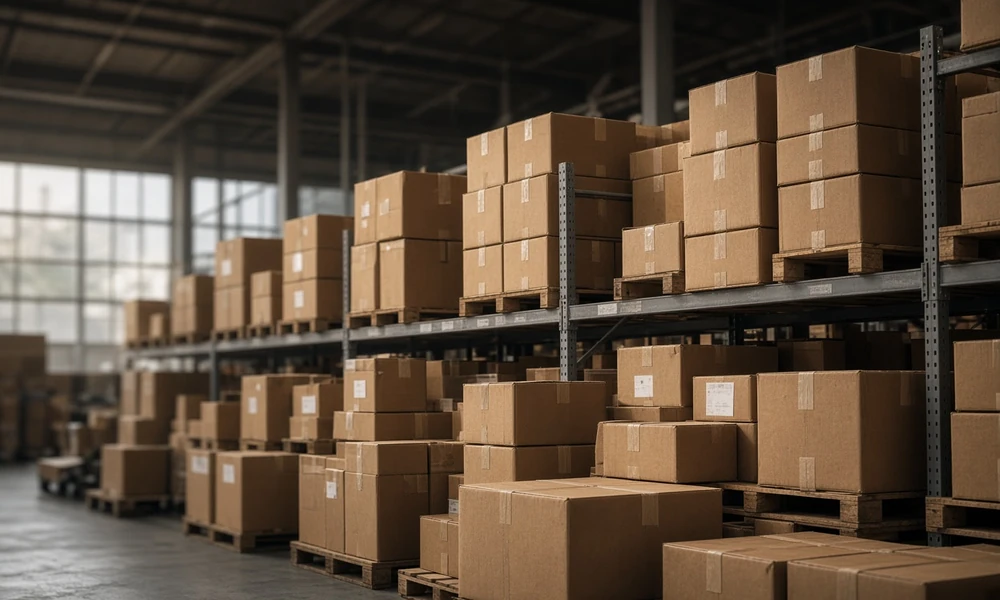
Boxes of unsold goods in storage or listed in your books often become a significant cash drain. Storage fees quickly increase, and money stuck in items that do not move can stall your business growth. This guide outlines your options for liquidation in Canada, compliance concerns, and how to simplify the entire process.
Understanding Excess Inventory and Why Liquidate
Every e-commerce seller eventually deals with goods that simply will not move. The common challenges are:
- Excess inventory: Stock unlikely to sell anytime soon, often resulting from purchasing too much or sudden drops in customer demand.
- Slow moving inventory: Products that sit unsold, falling behind your typical selling speed.
- Obsolete inventory: Items that lose value due to expiration dates, packaging redesigns, or next-generation versions. Returns and discontinued products also belong here.
Keeping outdated or surplus items costs you through storage charges, sometimes leading to increased rates at fulfillment centers like Amazon FBA, especially as items age. After busy seasons, having space for new, profitable stock becomes even more important.
Letting unsold goods pile up ties up cash, reduces your margin, and can create accounting and tax headaches. The Canada Revenue Agency (CRA) needs precise records for GST/HST, write-downs, and adjustments. Always maintain updated inventory lists and supporting documents to avoid issues.
Liquidation Options for Canadian E-Commerce Sellers
When it is time to clear out slow-selling or surplus inventory, several options exist:
Direct Sales and Wholesale Buyers
Some sellers make direct connections with local businesses or retailers willing to buy products at a discount. Prices obtained here are often better, but you must invest time to locate interested buyers and handle the full sale, including GST/HST paperwork. Sites such as Sell Your Excess Inventory may help match you with buyers.
Liquidation Companies and Brokers
Specialists like Liquidation Center or B Stock focus on clearing surplus inventory. They handle everything: removal, packing, resale, and product relabeling if that helps protect your brand. You usually receive payment quickly, but prices are below what you could get from direct retail buyers. Provide a clear list of what you want to liquidate and photos before you get an offer. Always secure written terms for payment and logistics.
Online Platforms, Auctions, and Marketplaces
Platforms like eBay, Kijiji, or B-Stock allow you to reach potential buyers for branded or consumer-friendly items. This path can lead to higher returns, but you must manage every aspect: shipping, returns, and each transaction. Amazon Canada’s in-house FBA liquidation sends qualifying stock to authorized handlers; payments vary based on item and condition, and you will not know your end customer.
Return-to-Vendor and Manufacturer Buybacks
Some brands or distributors will take back unopened products within specific periods. The refund is usually better than with liquidators, but there are more requirements, such as keeping packaging intact and following detailed documentation procedures.
How the Liquidation Process Works: A Step-by-Step Look for Canada
Canadian regulations affect some of the process details:
Organizing and Documenting Inventory
Prepare a complete item list: SKUs, product names, quantities, condition, and where they are stored. If you sell through FBA or Walmart, download up-to-date inventory reports. Take clear photos so buyers can check condition and ensure nothing is missing.
For brand name or regulated products, collect your purchase receipts and any certificates. Include GST/HST on sales-even on goods sold at a loss.
Understanding Valuation
Liquidation partners usually make offers based on a portion of your original wholesale or retail pricing, adjusted according to ease of resale. The faster you want cash, the lower the likely offer. Ask for details on how the payout is calculated.
Contracts, Pickup, and Payment
Protect your business with a contract for every transaction. Specify:
- What is being sold
- The change of ownership timeline
- Pricing and how payment is made
- Pickup and transportation details
- Limits on resale or use of your branding
Clarify who is responsible for preparing, shipping, and managing the products. Some liquidators provide pickup, while others expect you to pack and arrange transport. Make payment dates and methods clear and record them in your contract.
Brand Protection and Channel Control
If resale locations or branding are a concern, reputable liquidators will work with your requests, including removing or changing labels as required. Always put these expectations in your agreement to prevent future disputes.
Choosing the Right Liquidation Partner: What to Check
Do your due diligence before handing over inventory.
Vetting a Liquidator in Canada
Choose a registered Canadian business with a physical address and GST/HST number. Google reviews, seller community feedback, and the Better Business Bureau can aid in your research. Ask for references from businesses like yours. Liquidation Center Services is an example of a large operation with a solid reputation.
Paperwork, Insurance, and Security
Only work with partners who provide proper documentation. Reliable liquidators are insured and always use a contract. Do not accept deals where paperwork is avoided-this increases the risk of non-payment or lost items.
Fees, Deductions, and Offers
Ask for a breakdown of all deductions before you commit. Some buyers cover transportation, others deduct those charges from your payout. A reputable company will never ask you for payment before taking your stock. Get quotes from several buyers, and follow up on any low offers.
Platform-Specific Liquidation: Amazon FBA, Shopify, 3PLs, and More
Where you keep your inventory changes how liquidation works.
Amazon FBA: Liquidation in Canada
Keeping idle FBA inventory racks up costs, so quick removal is crucial. Amazon lets you create removal orders to ship goods to yourself, or liquidate through their partnered program, sending your stock to approved handlers for a set payout after fees. Track every removal for accounting, and check for provincial taxes if stock crosses provincial borders.
Third-Party Warehouses: Coordination and Compliance
When working with an independent warehouse, make sure the pickup matches their schedule and rules. Extra handling or prep fees are common, especially when moving items out for liquidation. Document all outgoing shipments and transfers for your tax records, particularly on cross-province moves.
Shopify and Walmart Marketplace
Shopify does not operate its own liquidation service. Sellers need to manage removals or sales, either through a broker or through direct buyer deals. Always record all transactions and keep track of taxes. For Walmart, carefully log your removals and transfers, especially with multi-province operations.
Getting the Most from Liquidation: Tips, Tax, and Pitfalls
Good preparation pays off.
How to Increase Your Liquidation Payout
Shipments that are neat and properly listed attract better offers. Supply clear quantities, condition, invoice copies, expiry dates if needed, and detailed photos. Bundle slower stock with more attractive products to form lots. Routine and precise manifests draw higher bids.
Special Rules: Regulated, Branded, or Hazardous Goods
Extra regulations may apply for batteries, chemicals, expired foods, or other restricted products. For these, you must use certified buyers. Selling outside proper channels risks fines or legal trouble. Goods tied to a specific brand may involve rules about resale-always document these conditions.
CRA Documentation and Tax Ready Records
Keep all paperwork-manifests, invoices, receipts, payment proof-relating to liquidation. GST/HST (and sometimes PST) must be collected and reported, unless valid exemption is supplied by the buyer. Track differences between book value and selling price for tax reporting. In Ontario, retain all supporting documents for a minimum of seven years.
Costly Mistakes to Avoid
Do not skip contracts, neglect tax paperwork, or accept the first offer without shopping around. Accurate and complete inventory manifests defend your interests and help you get more value from liquidation.
Frequently asked questions
What is inventory liquidation?
Liquidation means selling surplus, obsolete, or slow-selling stock at lower prices to raise quick cash and clear warehouse space. Canadian sellers do this through liquidators, business buyers, or online listings.
How do I sell my excess inventory in Canada?
Start with an itemized list and good photos. Reach out to reliable Canadian buyers or liquidators, review and compare their offers, thoroughly read all paperwork, and make arrangements for removal. Stay GST/HST compliant and archive all records. Sell to Us buys a range of product types.
How much can I recover from liquidating excess inventory?
Most sellers receive between five and thirty percent of cost or retail value, with results depending on demand and how long items have been in storage. Popular goods command higher prices, while unwanted items pay less.
Are there taxes on inventory liquidation in Canada?
Yes, liquidation sales usually require GST/HST, and sometimes PST, based on your province. Sellers must invoice correctly, remit the taxes, and store all supporting records unless exempted by law.
What is the typical timeline to liquidate inventory in Ontario?
Processing-from first contact to payment-may take anywhere from a few days to several weeks. It mostly depends on how well prepared you are and how quickly the buyer works. Always confirm payment timing in your agreement.
How does Amazon FBA liquidation work for Canadian sellers?
Amazon FBA allows both removal and liquidation options. Unsold items can go to an authorized partner liquidator, with a pre-set payout after subtracting fees. Amazon provides all supporting documentation.
If surplus, returned, or slow-selling stock is tying up your capital, send your item list, quantities, and location to Liquidation Center for a free proposal. Reply usually arrives in two business days. Serving Amazon, Shopify, Walmart, eBay, and other Canadian sellers. Contact FBA@liquidationcenter.ca to get pricing and assistance.
