

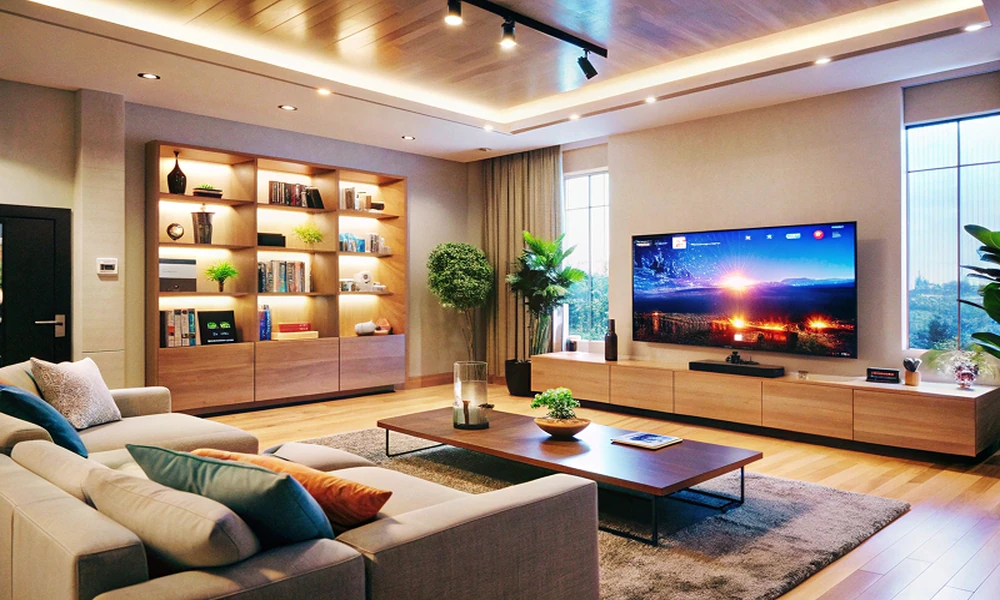
Transforming your living space into an immersive acoustic sanctuary completely changes how you experience music, films, and video games. While built-in television drivers and portable Bluetooth gadgets offer basic convenience, they lack the dynamic range, spatial separation, and deep bass needed for true auditory immersion. Investing in dedicated, high-fidelity audio equipment brings pristine concert-hall realism straight into your lounge.
Building a superior sound system involves far more than simply plugging in the loudest equipment you can find. Singaporean homes offer unique acoustic conditions, from hard tiled floors to dense concrete partitions. Mastering room acoustics, selecting appropriate hardware, and positioning your speakers in Singapore thoughtfully ensures every track sounds crisp and balanced.
Mapping Your Space: Matching Speaker Types to Room Acoustics
Before buying new equipment, evaluate your room’s physical dimensions and layout. Small study rooms and compact bedrooms demand different hardware configurations than expansive, open-plan living halls.
| Listening Zone | Typical Room Size | Optimal Hardware Choice | Key Acoustic Advantage |
| Personal Workspace | Under 12 sq m | Active Desktop Monitors / Open-Ear Earbuds | Precise near-field staging and personal awareness |
| Cozy Bedroom | 12 – 20 sq m | Wireless Bookshelf Speakers | Rich stereo imaging without bulky floor footprints |
| Open-Plan Living Hall | Over 20 sq m | Floor-Standing Towers & Active Subwoofer | Deep bass extension and room-filling acoustic power |
Placing massive floor-standing towers inside a small study creates boomy, distorted bass reflections. Conversely, installing tiny desktop speakers in a large open hall leaves music sounding hollow. Selecting high-performance speakers in Singapore tailored to your floor area creates a balanced, clear soundstage across every listening angle.
The Triangle Rule: Master the Art of Speaker Placement
Even top-tier audio equipment delivers disappointing results if you place components incorrectly. Strategic positioning unlocks realistic spatial separation, allowing you to pinpoint individual instruments and vocalists within a track.
To achieve ideal stereo imaging, arrange your primary left and right channels to form an equilateral triangle with your main listening seat. Angle the speakers slightly inward (toe-in) so the tweeters point directly toward your ears. Furthermore, keep bookshelf and floor-standing units at least 30 to 50 centimetres away from solid concrete walls. Giving your drivers room to breathe prevents muddy low-frequency buildup and creates a deeper, more three-dimensional soundstage.
Wireless Ecosystems: Multi-Room Magic and Personal Listening
Modern audio technology eliminates the need to run messy speaker wires across doorway frames and skirting boards. Intelligent wireless ecosystems allow you to stream high-resolution audio across multiple rooms effortlessly.
You can group units to play synchronised music during weekend dinner parties or isolate channels to stream different playlists in every room. On the other hand, personal audio accessories complement your stationary setup brilliantly. Transitioning from home-filling speakers in Singapore to lightweight open-ear earbuds allows you to continue listening to podcasts or music while moving through the house, cooking, or attending to household chores. Wearing open-ear earbuds keeps your ear canals completely open, ensuring you hear doorbells, family members, or timer alerts while enjoying crisp personal audio.
Taming Acoustic Reflections: Hard Surfaces and Soft Furnishings
Singaporean apartments frequently feature hard marble floors, floor-to-ceiling glass windows, and smooth painted concrete walls. These dense, reflective surfaces cause sound waves to bounce rapidly, creating harsh echoes and muddled vocal frequencies.
You do not need to install industrial foam panels to fix room acoustic issues. Introducing soft household textiles absorbs harsh mid-range reflections naturally. Placing a thick wool rug between your listening sofa and front channels stops floor reflections instantly. Furthermore, hanging heavy curtains over large glass balcony doors and placing filled bookshelves along side walls diffuses stray sound waves, warming up your room’s overall tonal profile.
Source Quality Matters: Feeding Your Drivers High-Resolution Audio
A premium sound system acts like a magnifying glass for audio files. If you stream low-bitrate, heavily compressed digital tracks, your high-end setup will reveal every compressed flaw, artifact, and harsh treble spike.
Pair your hardware with high-resolution lossless streaming services that deliver uncompressed 24-bit audio files. Furthermore, connect your main television or media player using high-bandwidth HDMI eARC or optical cables rather than standard Bluetooth connections. Feeding clean, uncompressed audio signals to your system ensures your drivers reproduce every subtle musical nuance exactly as the recording artist intended.
Elevate Your Acoustic Sanctuary
Building a superior home sound system represents an exciting, deeply rewarding journey. By matching hardware to your room’s physical dimensions, following precise placement geometry, managing surface reflections, and choosing clean audio sources, you transform casual listening into a captivating sensory experience. Invest time in setting up your audio space properly to enjoy pristine, cinema-grade sound in the comfort of your home every single day.
Frequently Asked Questions
Can I mix different audio brands within the same home setup?
While you can mix different brands for subwoofers and amplifiers, keeping your front left, right, and centre channel speakers within the same brand series guarantees matching tonal characteristics and seamless sound panning.
What is the main benefit of open-ear listening accessories around the house?
Unlike traditional noise-cancelling headphones, open-ear designs sit outside your ear canal, allowing environmental awareness so you can hear family members, doorbells, and phone calls while enjoying personal media.
Do I need an active subwoofer for a small apartment living room?
A dedicated active subwoofer adds deep low-frequency punch for movies, but high-quality stereo bookshelf speakers often supply plenty of clean bass for music without disturbing adjacent neighbours.
Ready to transform your home audio? Visit One Futureworld to discover our curated selection of Bose speakers, soundbars, and personal audio gear.
