

1. INTRODUCTION
Purchasing diamond jewellery for the first time can feel like entering a world of unknown jargon, technical minutiae, and limitless design options. But you don’t have to learn everything there is to know about diamonds before you buy one. The process can be made much simpler and more pleasurable by having a basic awareness of what matters and making careful comparisons.
Starting with a clear idea of what you value can make the buying process feel far less complicated. A thoughtful diamond jewelry selection involves considering the intended use, preferred design, budget, and important qualities of the stone before making a decision. By comparing different options carefully and focusing on overall appeal rather than a single specification, first-time buyers can feel more comfortable choosing a piece that suits their needs and personal style.
2. DECIDE WHAT YOU WANT TO BUY
Begin by deciding what type of jewellery you want. The design specifications for bracelets, pendants, earrings, and rings vary. Consider whether the jewellery is intended for a special event or daily use. This may assist you in selecting an appropriate style, size, and degree of durability without being sidetracked by alternatives that don’t fit your requirements.
3. ESTABLISH YOUR SPENDING LIMIT
Budgeting is particularly helpful for first-time purchasers. Depending on the stone and craftsmanship, the cost of diamond jewellery might vary significantly. By establishing a reasonable limit, you can investigate practical possibilities and lessen the urge to spend more just because a certain diamond has a greater quality. Instead of pursuing the priciest choice, concentrate on obtaining good overall value.
4. UNDERSTAND THE FOUR C’S
The four Cs are a good place to start when learning about diamonds. A diamond’s cut greatly influences how it reflects light and adds to its shine. Clarity refers to interior traits and surface flaws, whereas colour represents the amount of body colour that is evident. A diamond’s weight is indicated by its carat. Gaining an understanding of this fundamental terminology can help you compare various stones and comprehend product descriptions.
5. CONSIDER SHAPE AND STYLE
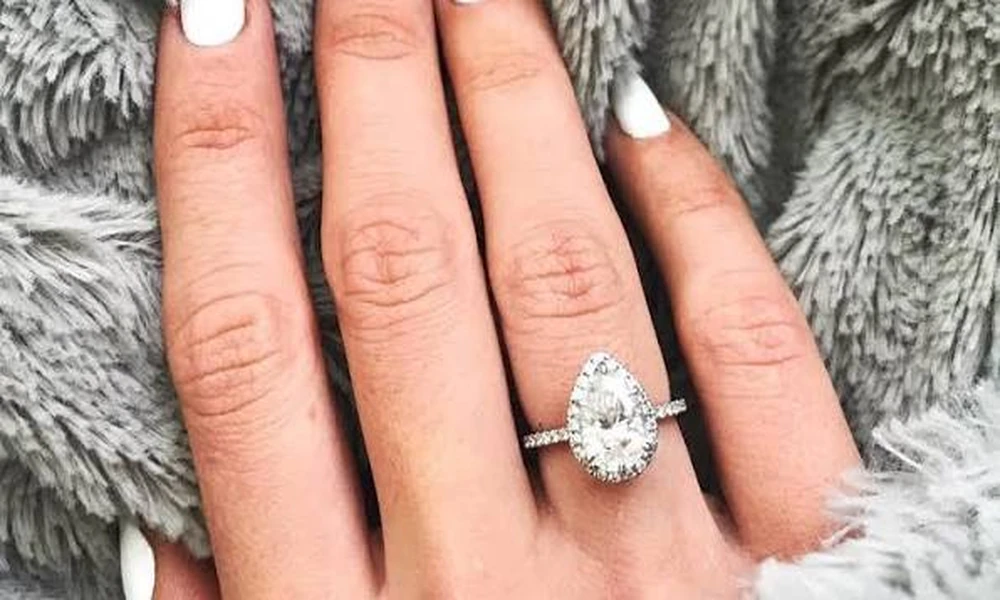
A diamond’s shape can significantly alter a piece of jewellery’s appearance. Each form has a distinct visual personality, including round, oval, pear, cushion, princess, and emerald. Instead of picking just one style, consider a few. Consider the wearer’s daily attire, current jewellery, and personal preferences.
6. EXAMINE THE DIAMOND CAREFULLY
A product description’s numbers should not be relied upon alone. When you can, examine the diamond itself. Take note of its symmetry, glitter, and general attractiveness. You can also get a better idea of how it would seem outside the jewellery store by looking at it in various lighting conditions.
7. CHECK DOCUMENTATION AND CRAFTSMANSHIP
Before purchasing, enquire whether the diamond includes a grading report from a reputable laboratory. The report might assist in verifying crucial information regarding the stone. Additionally, you should check the jewellery itself for safe settings, tidy finishes, and excellent craftsmanship. Comprehending the return, resizing, and maintenance rules is equally crucial.
8. CONCLUSION
Every buyer will not find the ideal diamond. Your budget, personal tastes, intended purpose, and style will all influence your best option. Before deciding, take your time, think things through, and weigh your options. A mindful purchase is one in which you are aware of what you are purchasing and are truly pleased with the final product.
