

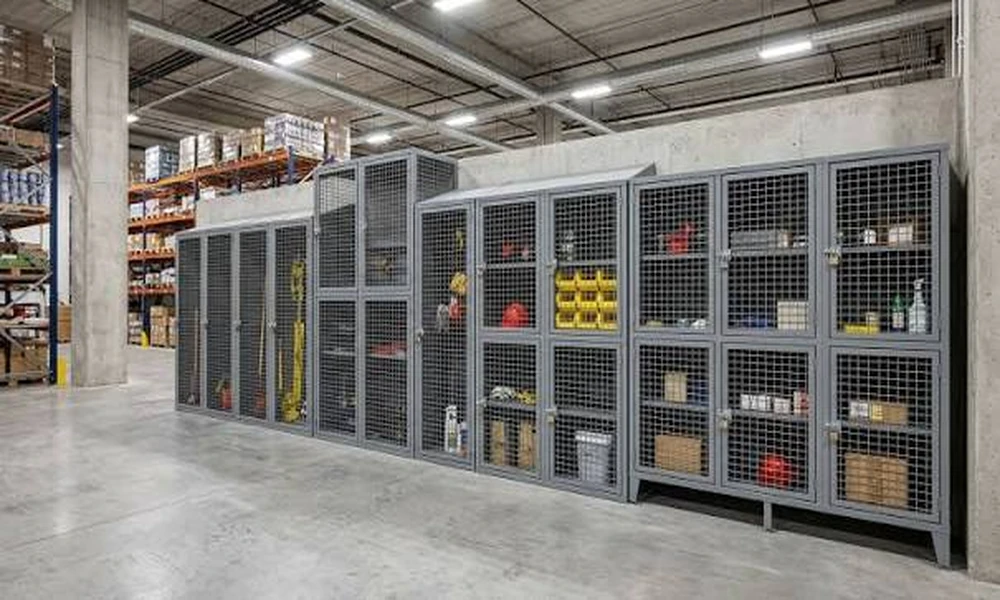
Most people picture industrial storage lockers as rows of grey cabinets in a changing room, but in many workplaces they do a more demanding job. They hold tools, protective equipment, uniforms and personal belongings, often in environments with dust, heat, humidity or heavy daily use. Choosing the right locker affects security, hygiene, organisation and even staff satisfaction. The wrong one may dent, rust or fail to lock reliably within a year. This guide explains what to consider when choosing durable storage for workplace equipment.
Understanding Workplace Needs
Start by identifying what will be stored and who will use it. Lockers may hold personal items during shifts, tools and equipment for specific jobs, or protective gear such as helmets, boots and gloves. The number of users, shift patterns and how often lockers are opened all matter. A clear picture of needs helps you choose the right size, layout and number of compartments.
Construction and Materials
Durability depends on materials and construction quality. Look for:
- Steel thick enough to resist dents from daily use
- Reinforced doors and frames
- Welded joints in high-stress areas
- A protective coating such as powder coating
For wet or humid environments, galvanised or stainless steel resists rust better. Plastic lockers are another option where moisture or chemicals are a concern.
Choosing the Right Configuration
Lockers come in single-tier, double-tier and multi-tier layouts. Single-tier lockers offer full-height space for long items such as coats or protective suits. Multi-tier lockers provide more compartments in the same footprint, suiting personal belongings. Some lockers include shelves, hooks or hanging rails. Choose a layout that matches what will be stored, so items fit without being forced in or left on the floor.
Ventilation and Hygiene
Lockers used for work clothes, boots or protective gear need good ventilation to prevent odour and mould. Look for doors or side panels with ventilation slots. In humid climates, this is especially important. Encourage staff to remove damp items regularly. Some workplaces add small drainage features or dehumidifiers in locker rooms. Easy-to-clean surfaces also help maintain hygiene over time. Lockers placed against cool external walls can also collect condensation, so check the location before installing.
Locking Options
Security requirements vary by workplace. When selecting industrial storage lockers, consider:
- Key locks, simple and reliable for assigned users
- Padlock hasps, allowing staff to use their own locks
- Combination locks, removing the need for keys
- Digital or card locks for shared or high-security settings
Think about how keys or codes will be managed, especially when staff change.
Safety and Installation
Tall lockers should be anchored to walls or floors to prevent tipping. Placing them on a base or plinth can protect against water damage and make cleaning easier. Ensure doors do not open into walkways. Leave enough space in front of lockers for staff to use them comfortably, especially during shift changes when many people use them at once.
Space Planning
Measure the available space and consider how many lockers are needed now and in the future. Allow room for doors to open fully and for staff to move around. In tight spaces, lockers with narrower compartments or sliding doors can help. Check access routes for delivery, including lifts and doorways, before ordering large quantities.
Labelling and Organisation
Clear labelling helps staff find their lockers quickly and reduces confusion. Numbered doors, name cards or colour coding all work. For tool and equipment lockers, labelling shelves or compartments helps keep items in the right place. Good organisation saves time and reduces the risk of lost or misplaced equipment. Keeping a simple register of locker assignments helps when staff join or leave.
Maintenance and Longevity
Regular maintenance keeps lockers working well. Check hinges and locks, lubricate moving parts and tighten loose fixings. Touch up scratches to prevent rust. Replace damaged locks quickly to maintain security. A simple maintenance schedule extends the life of lockers and prevents small problems from becoming expensive repairs.
Planning Quantities for Growth
Ordering exactly the number of lockers needed today often leaves a workplace short within a year. A common approach is to add ten to twenty per cent spare capacity, which also covers contractors, temporary staff and lockers taken out of use for repair. Choosing a range that can be extended later with matching units keeps the room consistent. Recording which locker belongs to whom from day one also makes future reallocations far simpler.
Getting Staff Input
The people who use lockers every day often spot problems that planners miss. A short conversation with supervisors or a few staff members can reveal whether compartments are too small for boots, whether hooks are needed for helmets, or whether lockers placed near an entrance would cause congestion at shift change. Including users in the decision tends to improve how carefully lockers are looked after once they are installed.
Making the Right Choice
Choosing durable lockers starts with understanding what will be stored and how they will be used. Select materials and finishes suited to the environment, choose a practical configuration and decide on the right locking system. Plan the space carefully and maintain lockers regularly. Comparing options such as a sturdy 2-door metal locker for workplace storage against these needs will help you choose storage that lasts.
